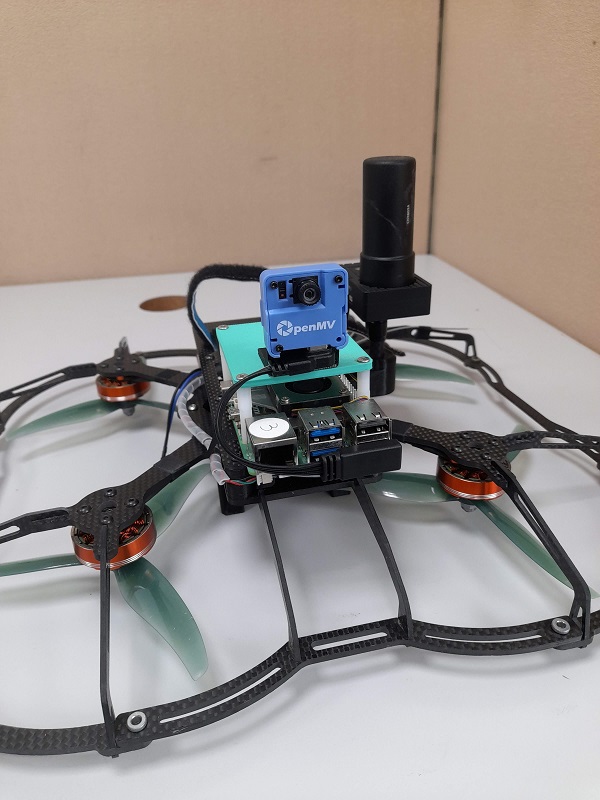
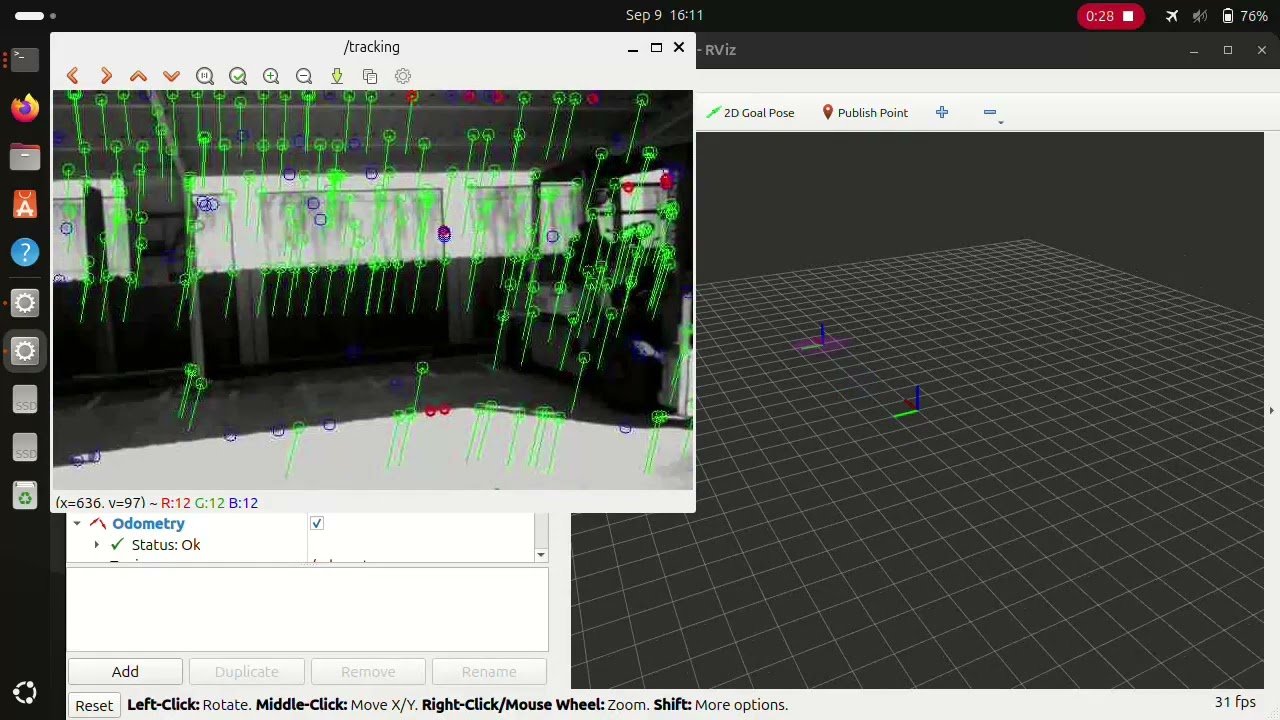
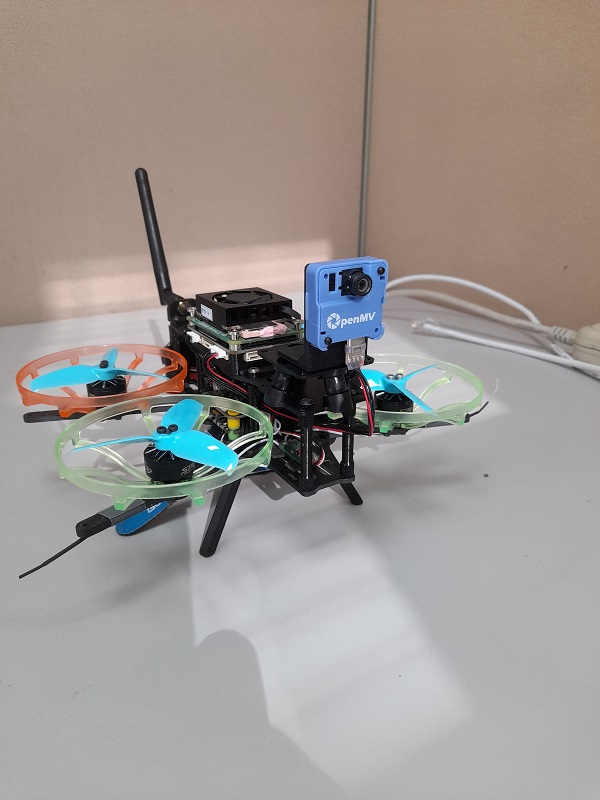
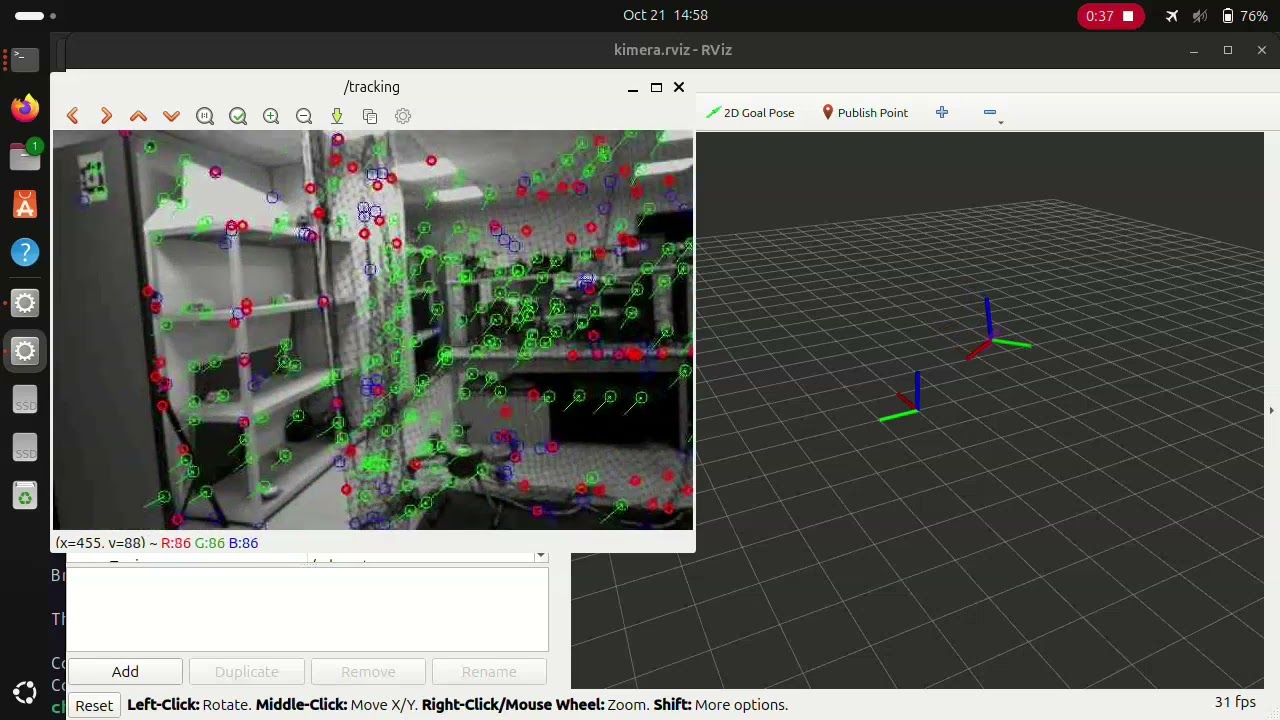
The goal of this project is to create a small and lightweight VIO system suitable for GPS and Vision navigation transition flight on a 250mm quadcopter. OpenMV AE3 is used here becuase it integrates both a global shutter camera and an IMU, allowing manual triggering to synchronize camera exposure with IMU measurements.
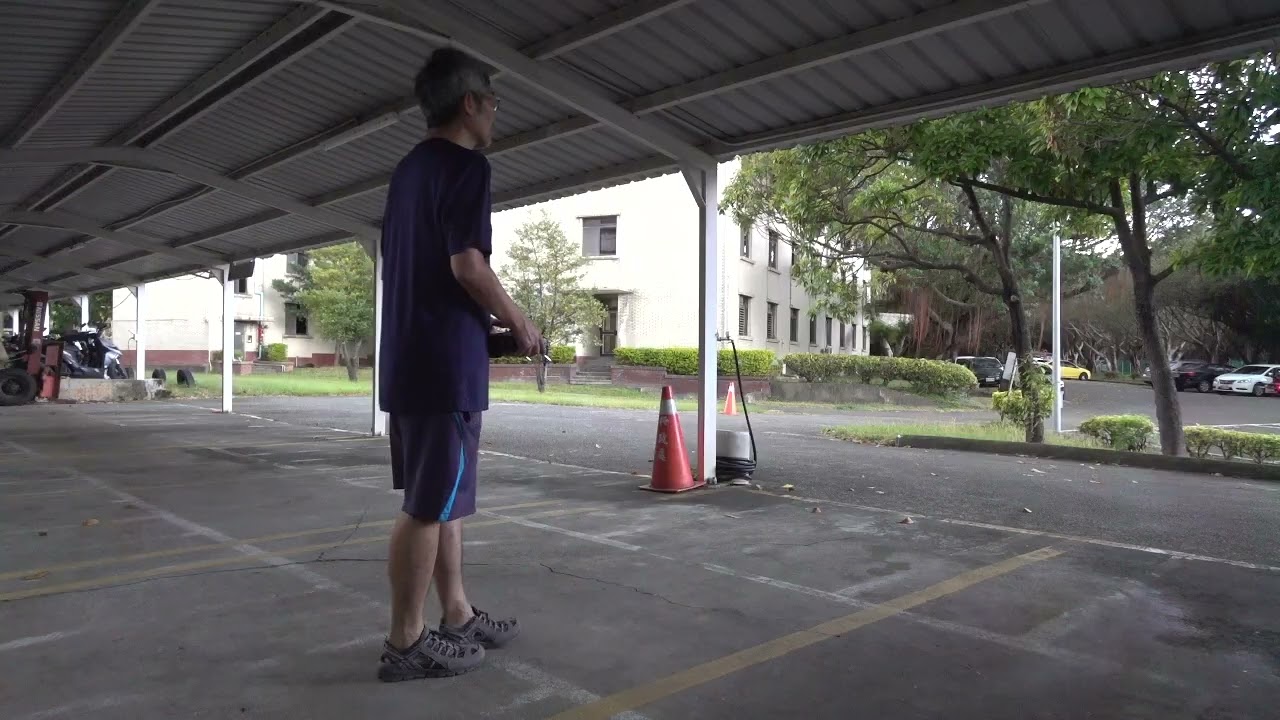
the quadcopter is programmed to fly toward a parking canopy in GPS assisted (LED slowly flashing). When approaching canopy, it switch to Vision assisted (LED rapidly flashing) and continue flying into canopy, then it make a turn to fly through the canopy. Finally it left canopy and switch back to GPS assisted, then RTL. see the two videos below
Really great progress! I saw your YouTube videos pop-up on my feed a couple of weeks ago and so it’s great to see this post with more details.
So I guess the VIO calculations are all done on the RPI5 and I guess there is also a small autopilot under the Pi?
I must admit I’d never heard of Kimera-VIO until I saw your videos. I guess what’s special about it is that it seems to work with just a single lens camera?
I don’t want to divert your efforts but I also wondered if it might be possible to run Kimera-VIO directly on one of the Siyi camera gimbals which can now accept open source AP_CameraGimbal software. TBH, I doubt if it would work because only the larger Siyi camera gimbals have a powerful enough linux CPU on board (the A8 is likely too slow)
I hope it’s OK, I promoted this to a Blog post and moved some links around so that it appears on the front page of ardupilot.org gets a bit more visiblity. TBH, I’m slightly unhappy that we’ve blogs lower down on the ardupilot.org page but that’s another matter!
So I guess the VIO calculations are all done on the RPI5
Yes, Kimera-VIO is running on RPI5
and I guess there is also a small autopilot under the Pi?
I am sorry, but I do not understand what you mean. A SDMODELH7V2 FC is used here.
I guess what’s special about it is that it seems to work with just a single lens camera?
Kimera-VIO work with a single lens camera and an IMU. (other algorithm, for example, VINS-Fusion also support this configuration. Kimera-VIO is used here becuase I want to try different algorithm). I am sorry that I should mention this on my post. OpenMV AE3 is used here becuase it integrates both a global shutter camera and a IMU. And it can be programmed to trigger the camera manually, so that camera exposured can be time sync with IMU measnurement.
I also wondered if it might be possible to run Kimera-VIO directly on one of the Siyi camera gimbals
In order to get good result from a VIO algorithm, there are a few key points
global shutter camera
place IMU close to camera. relative position between camera and IMU must be fixed and measured correctly
timestamp for camera image and IMU coming from the same clock (some algorithm like VINS-Fusion can compensate this if they came from different clock, but it degrade the performance) . For best performance, camera exposured should be time synced with specific IMU measnurement.
I hope it’s OK, I promoted this to a Blog post and moved some links around so that it appears on the front page of ardupilot.org gets a bit more visiblity
Sure. Thank you very much. I am very glad to share with everyone.
IMU ODR is 215hz and camera exposure at every 10th IMU sample, so camera frame rate is 21 FPS. I choose this framerate because it is close to benchmark EuRoC MAV dataset. It is possible to increase it but it will be limited by how fast OpenMV AE3 can process image and transfer to RPI through USB 2.0 HS.